Archives
- 2025-12
- 2025-11
- 2025-10
- 2025-09
- 2025-03
- 2025-02
- 2025-01
- 2024-12
- 2024-11
- 2024-10
- 2024-09
- 2024-08
- 2024-07
- 2024-06
- 2024-05
- 2024-04
- 2024-03
- 2024-02
- 2024-01
- 2023-12
- 2023-11
- 2023-10
- 2023-09
- 2023-08
- 2023-06
- 2023-05
- 2023-04
- 2023-03
- 2023-02
- 2023-01
- 2022-12
- 2022-11
- 2022-10
- 2022-09
- 2022-08
- 2022-07
- 2022-06
- 2022-05
- 2022-04
- 2022-03
- 2022-02
- 2022-01
- 2021-12
- 2021-11
- 2021-10
- 2021-09
- 2021-08
- 2021-07
- 2021-06
- 2021-05
- 2021-04
- 2021-03
- 2021-02
- 2021-01
- 2020-12
- 2020-11
- 2020-10
- 2020-09
- 2020-08
- 2020-07
- 2020-06
- 2020-05
- 2020-04
- 2020-03
- 2020-02
- 2020-01
- 2019-12
- 2019-11
- 2019-10
- 2019-09
- 2019-08
- 2019-07
- 2019-06
- 2019-05
- 2019-04
- 2018-11
- 2018-10
- 2018-07
-
The pharmacokinetics properties of compound were evaluated
2021-03-27
The pharmacokinetics properties of compound were evaluated in male Sprague Dawley rats following IV (0.7mg/kg) and oral (2.0mg/kg) dosing. The total body clearance and the terminal half-life were 0.73 L/h/kg and 5.1h, respectively. After oral administration the compound showed good bioavailability
-
Protease Inhibitor Cocktail (100X in DMSO, EDTA plus) It is
2021-03-27
It is important to note that CRF1 may be activated during acute stress and early phases of anxiety disorders (Coric et al., 2010, Ising et al., 2007), as well the administration of Astressin 2B into the lateral septum did not have an effect on anxiety-like behavior in low-stress conditions but had a
-
Findings from the present study indicate that CRF receptors
2021-03-27
Findings from the present study indicate that CRF1 receptors are especially important in fear acquisition. CP154,526 given before acquisition training, at least partly, reinstated the fear-potentiated startle response and blocked the development of contextual conditioned fear in SERT−/− rats. CP154,
-
Introduction Angiotensin II Ang II and
2021-03-27
Introduction Angiotensin II (Ang II) and Endothelin 1 (ET-1) are potent vasoconstrictive peptides recognized as key players in many cardiovascular diseases [1]. Cardiac hypertrophy, ischemic arrhythmia, and stroke have been associated to an overstimulation of the angiotensin II type 1 (AT1) recepto
-
br Introduction Breast cancer is the most common cancer in
2021-03-27
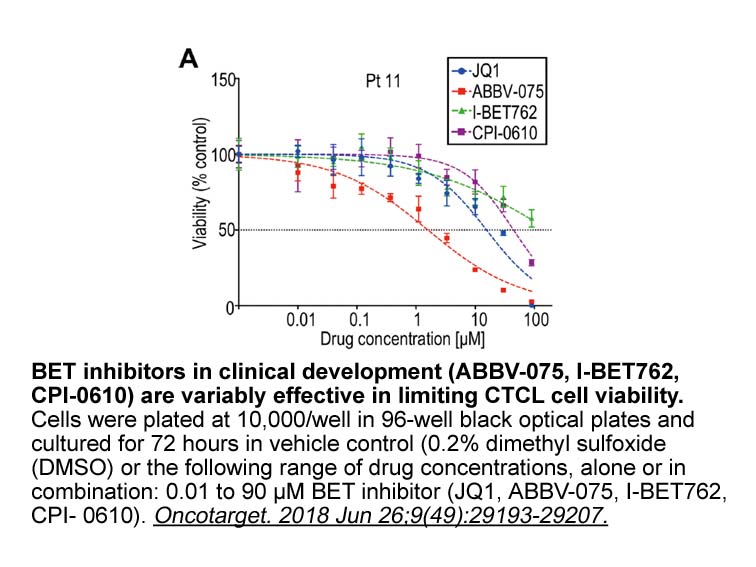
Introduction Breast cancer is the most common cancer in women and one of the leading causes of death worldwide. Estrogen receptor alpha (ERα, “wild-type” estrogen receptor), encoded by the estrogen receptor1 (ESR1) gene, is expressed in approximately 70% of all breast cancers. Hormonal therapy ha
-
We should also note that although AOAA is not a
2021-03-26
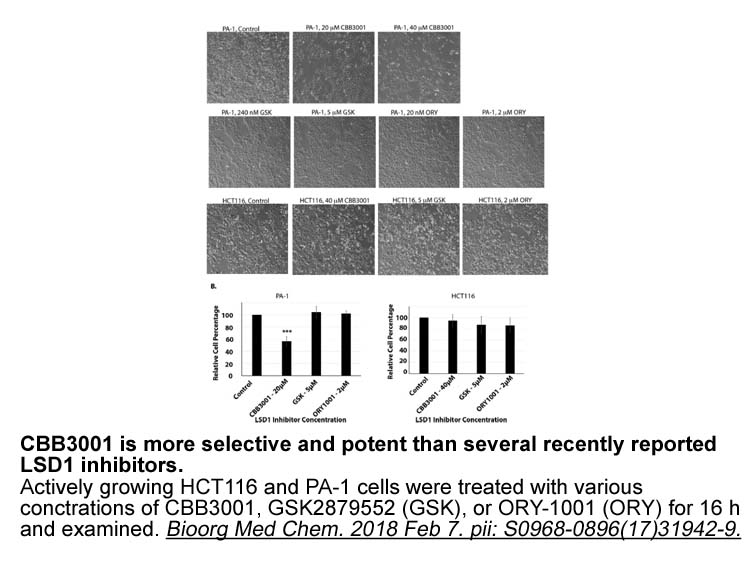
We should also note that, although AOAA is not a specific H2S inhibitor, its inhibitory effect on l-cysteine-induced relaxations are related to H2S since addition of AOAA to another H2S inhibitor PAG did not provide a further inhibition of these relaxations in penile tissue [37]. In our study, the c
-
Other GPCRs notable for changes in expression on CLL
2021-03-26
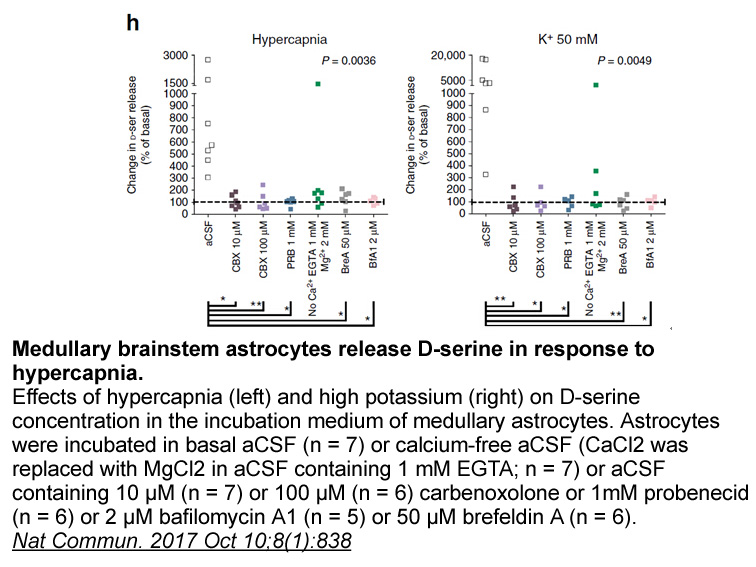
Other GPCRs notable for changes in expression on CLL cells include upregulation of the thromboxane A2 receptor TBXA2R mRNA [61] and up and downregulation of mRNA and protein from the neurotensin receptors NTSR2 and NTSR1, respectively [62]. The Eμ-TCL1 mouse model of CLL has been used to study mult
-
Contrary to the downregulation of S PR family GPCRs CLL
2021-03-26
Contrary to the downregulation of S1PR family GPCRs, CLL cells have increased mRNA expression of the lysophosphatidic D-Pantothenic acid (LPA) family receptors LPAR1, LPAR3 and LPAR4 compared to normal B cells [47]. Increased LPAR1 mRNA has been shown to be associated with more aggressive disease [
-
In glioblastoma methylation of pMGMT is predictive of the ef
2021-03-26
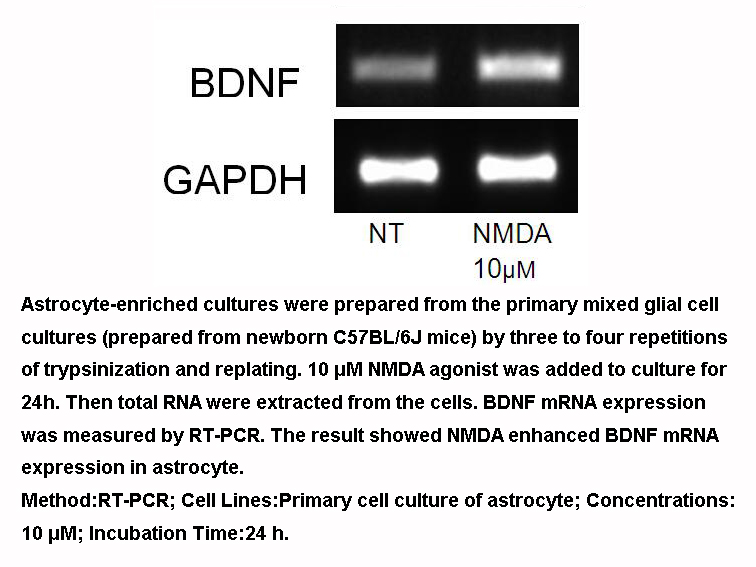
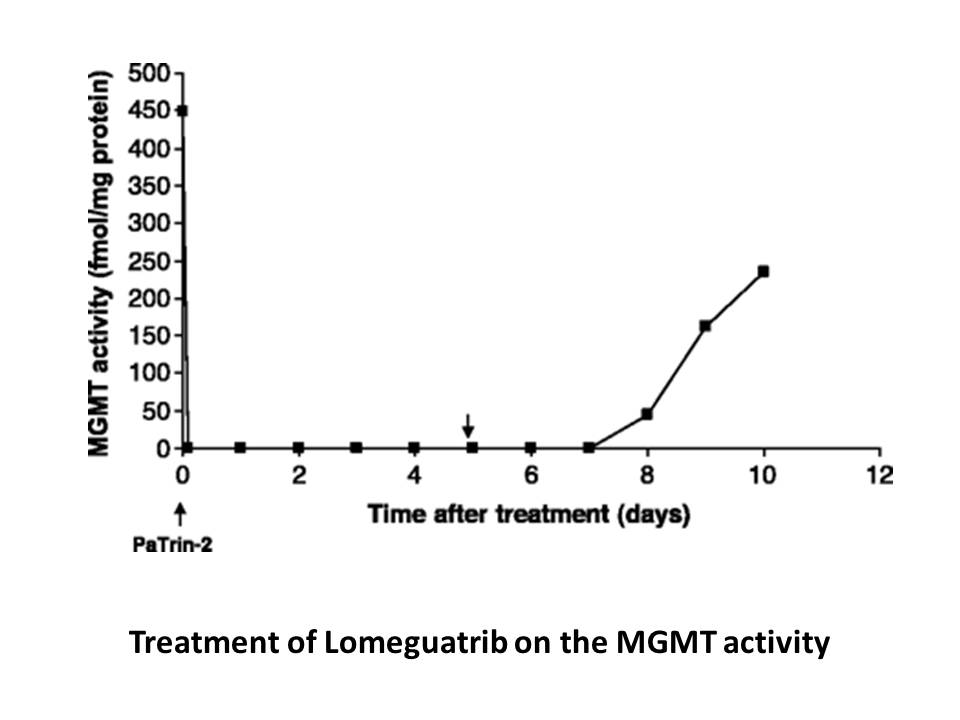
In glioblastoma, methylation of pMGMT is predictive of the efficacy of temozolomide with an increased survival [22], [23], [24], [25]. As in glioblastoma [24], [26], [27], [28], pMGMT methylation assessed by pyrosequencing (with immunochemistry, IHC) is the most effective and reproducible technique
-
DGK is a key enzyme in glucose uptake in skeletal
2021-03-26
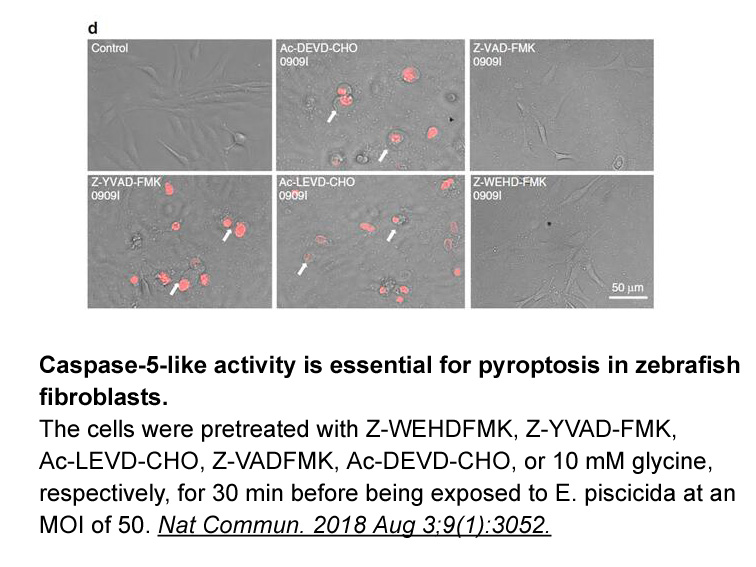
DGKδ is a key enzyme in glucose uptake in skeletal muscle. Chibalin et al. demonstrated that a decrease in DGKδ expression increases the severity of type 2 diabetes [20]. Additionally, DGKδ expression was increased in people who exhibited enhanced insulin sensitivity after exercise training [56]. Fr
-
Apoptozole The molecular formula of was assigned as C H N
2021-03-26
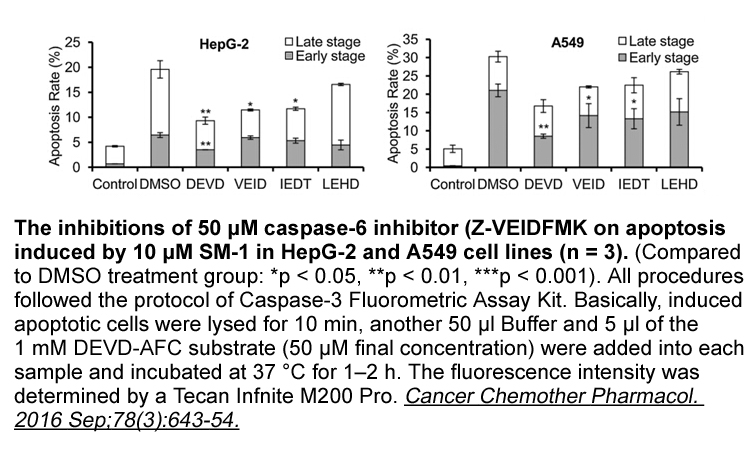
The molecular formula of 2 was assigned as C12H12N2O2 by the positive HRESIMS at m/z 217.0973 [M+H]+ (calcd for 217.0972), 13C NMR and DEPT spectra, having 8 degrees of unsaturation. The 1H NMR spectrum contains an ABX spin system comprised of resonances at δH 7.47 (d, J=1.9Hz, H-2′), 6.86 (d, J=8.3
-
Proteases as multifunctional enzymes play key roles in contr
2021-03-26

Proteases, as multifunctional enzymes, play key roles in controlling a wide variety of cellular and extracellular processes in plants and animals, including protein degradation and processing, germination, complement activation, inflammation, responses to environmental stimuli, senescence and so on.
-
Alvocidib flavopiridol is a piperidine chromenone http
2021-03-26
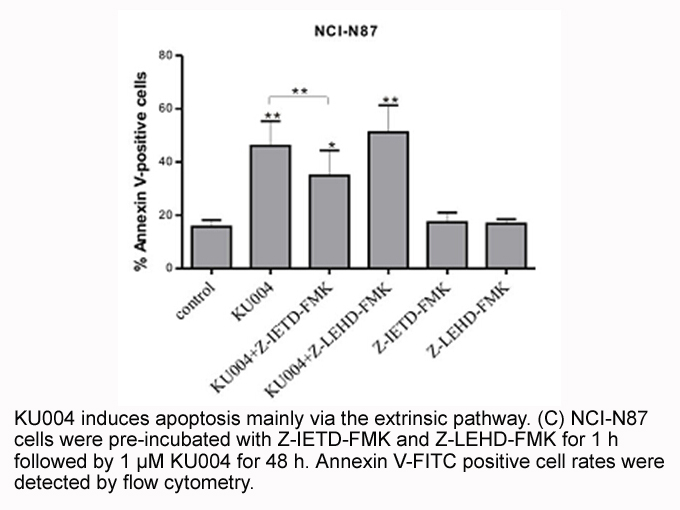
Alvocidib (flavopiridol) is a piperidine-chromenone derivative (Fig. 6D) that is not FDA approved, but is in clinical trials for breast, endometrial, and several other cancers and hematological malignancies (Table 4) [[100], [101], [102], [103], [104]]. This drug targets CDK9 (IC50 = 3.2 nM) and CDK
-
In rats exposed to day of nicotine withdrawal h
2021-03-26
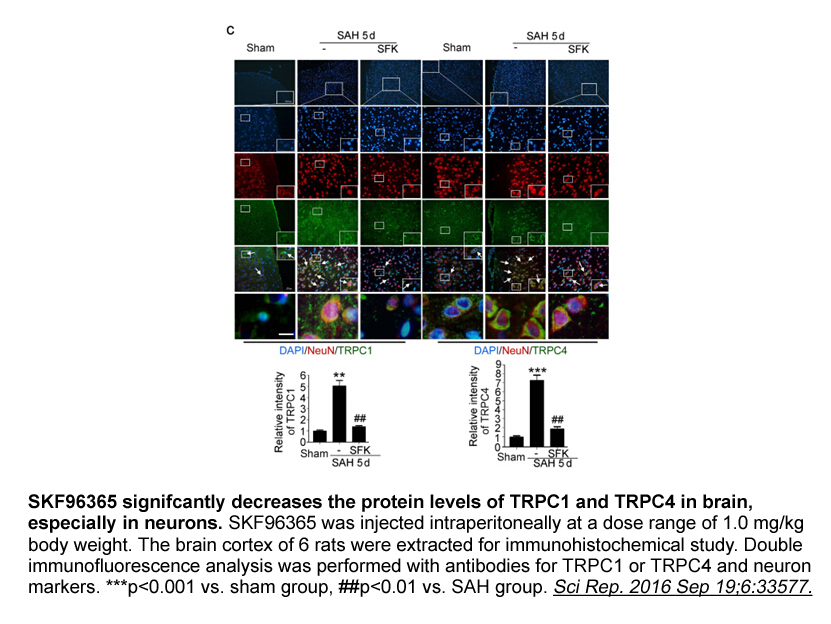
In rats exposed to 1 day of nicotine withdrawal (24 h after the last nicotine administration) we expected a decrease of general locomotor activity and a decrease of global striatal dopamine release, which were assessed in a previous study following 14 days of nicotine exposure and 24 h of nicotine w
-
The results showed that ethanol
2021-03-26
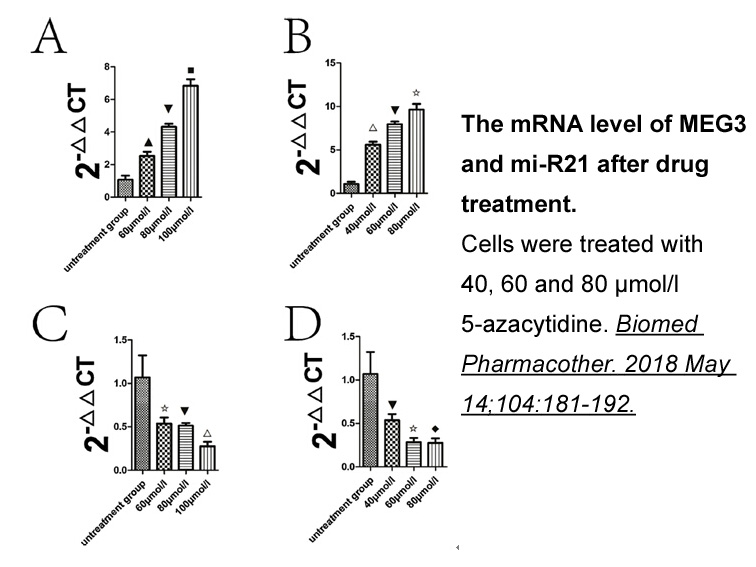
The results showed that ethanol and acetaldehyde production was not affected by the presence of CPA-7. We observed that the concentration of ethanol increased throughout the assay up to 95–179 μL L-1 regardless of the treatment. The acetaldehyde concentration reached its highest values after 6–9 day
15941 records 672/1063 page Previous Next First page 上5页 671672673674675 下5页 Last page