Archives
- 2025-12
- 2025-11
- 2025-10
- 2025-09
- 2025-03
- 2025-02
- 2025-01
- 2024-12
- 2024-11
- 2024-10
- 2024-09
- 2024-08
- 2024-07
- 2024-06
- 2024-05
- 2024-04
- 2024-03
- 2024-02
- 2024-01
- 2023-12
- 2023-11
- 2023-10
- 2023-09
- 2023-08
- 2023-06
- 2023-05
- 2023-04
- 2023-03
- 2023-02
- 2023-01
- 2022-12
- 2022-11
- 2022-10
- 2022-09
- 2022-08
- 2022-07
- 2022-06
- 2022-05
- 2022-04
- 2022-03
- 2022-02
- 2022-01
- 2021-12
- 2021-11
- 2021-10
- 2021-09
- 2021-08
- 2021-07
- 2021-06
- 2021-05
- 2021-04
- 2021-03
- 2021-02
- 2021-01
- 2020-12
- 2020-11
- 2020-10
- 2020-09
- 2020-08
- 2020-07
- 2020-06
- 2020-05
- 2020-04
- 2020-03
- 2020-02
- 2020-01
- 2019-12
- 2019-11
- 2019-10
- 2019-09
- 2019-08
- 2019-07
- 2019-06
- 2019-05
- 2019-04
- 2018-11
- 2018-10
- 2018-07
-
EC barrier dysfunction triggered by inflammatory mediators i
2021-05-13
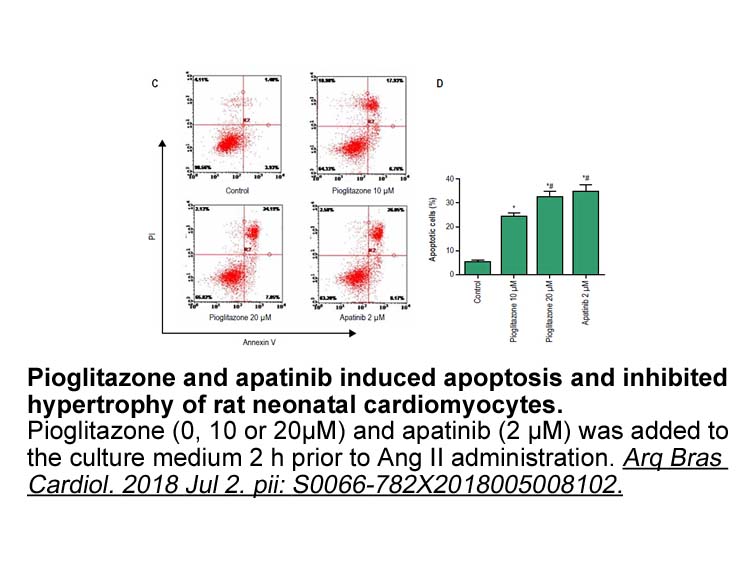
EC barrier dysfunction triggered by inflammatory mediators involves more than one mechanism, explaining the partial attenuation of EC barrier compromise obtained with PKA and Epac activators. PKA-dependent phosphorylation of vasodilator-stimulated phosphoprotein (VASP) has been shown to make a posit
-
CNQX The ultrafiltration approach has been
2021-05-12
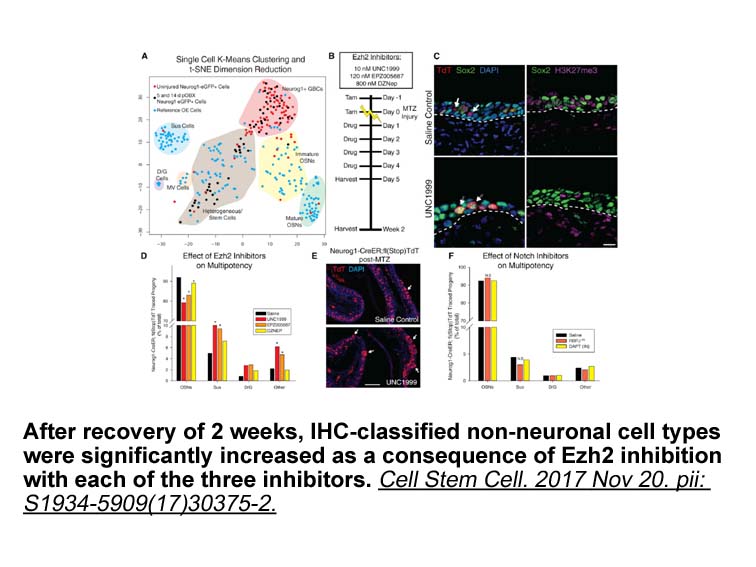
The ultrafiltration approach has been used to measure equilibrium BIEs for a number of enzyme systems, including CNQX hexokinase (Lewis and Schramm, 2003a, Lewis and Schramm, 2003b), thymidine phosphorylase (Birck & Schramm, 2004), purine nucleoside phosphorylase (Murkin, Tyler, & Schramm, 2008), or
-
The Acat gene was identified by functional complementation
2021-05-12
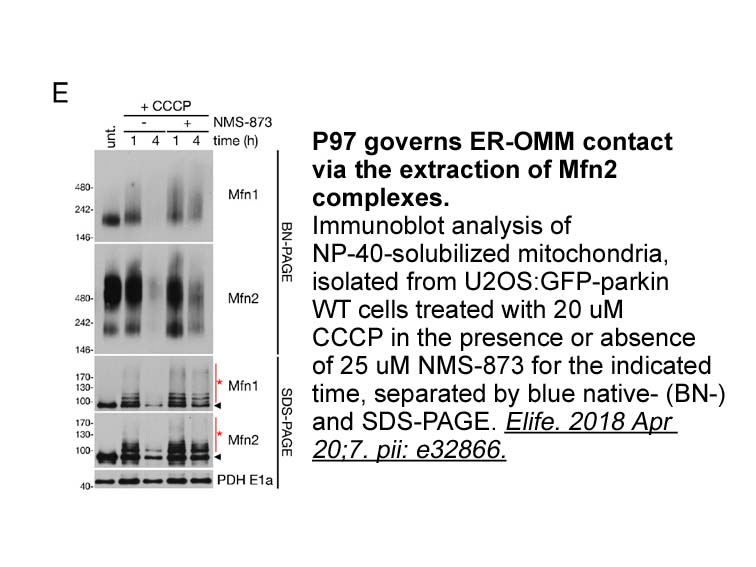
The Acat1 gene was identified by functional complementation of a Chinese hamster ovary cell mutant lacking ACAT activity [12]. Unlike most other genes, human Acat1 is located in two different chromosomes, Flutamide synthesis 1 and 7, with each site containing a distinct promoter: chromosome 1 conta
-
The different serotypes A G have unique receptors
2021-05-12
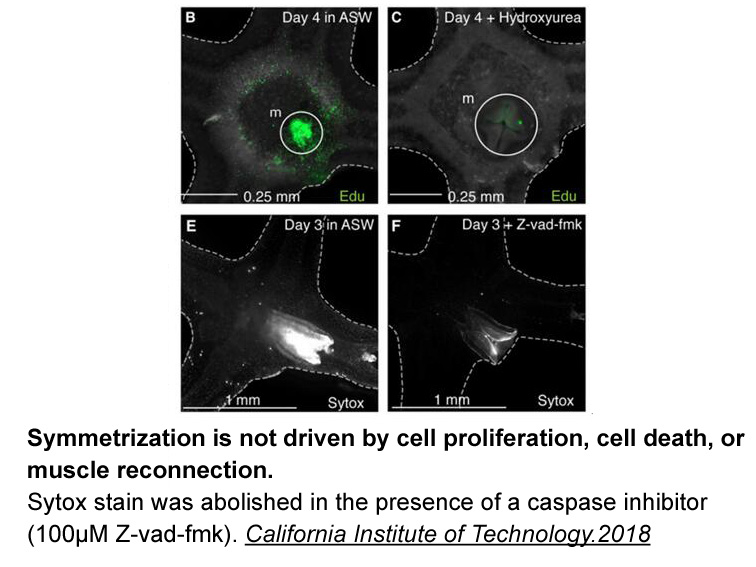
The different serotypes (A-G) have unique receptors to which they bind to produce the toxic effect on the nerve cells. (Lance, 2004, Rosetto et al., 2014). Intracellularly, the endopeptidase activity of different serotypes of BoNT target selectively a unique group of proteins, the SNARE KPT-185 (Kum
-
br Ubiquitin ligases Ubiquitin ligases are categorized into
2021-05-12
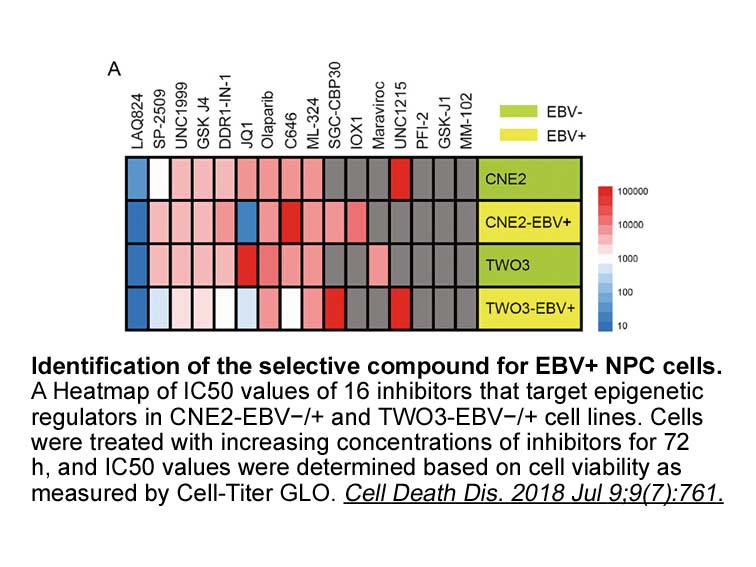
Ubiquitin ligases Ubiquitin ligases are categorized into different except based on their specific structural configuration and the composition of subunits—HECT (homologous to E6-AP1 (E6-associated protein 1) carboxy-terminus)-type, RING (really interesting new gene)-finger-type, U-box-type, or R
-
br RING dimerization RING type domains
2021-05-12
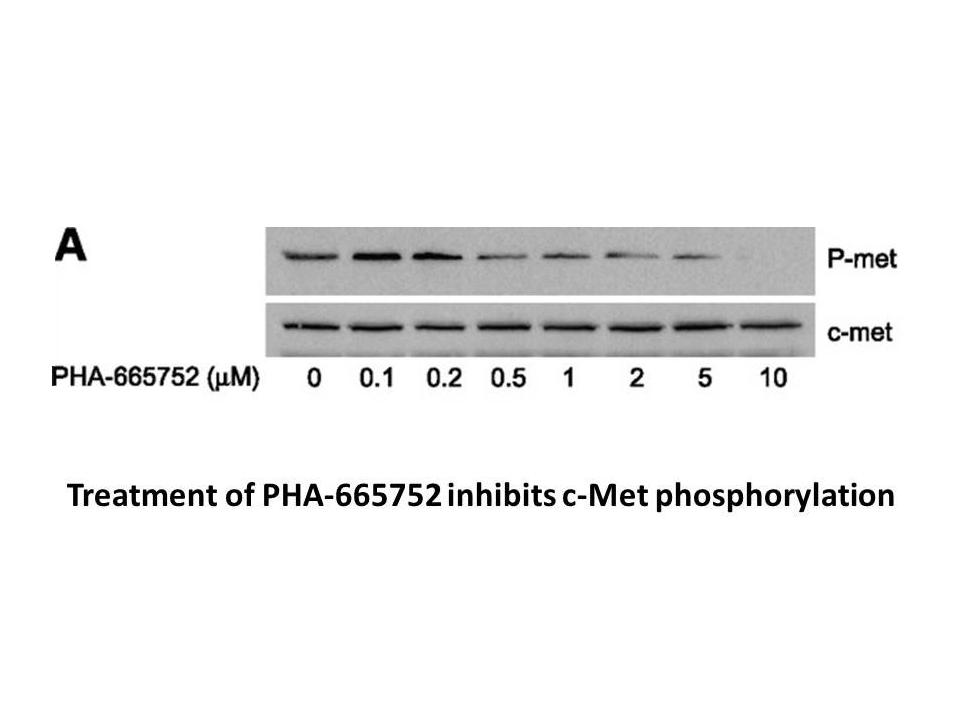
RING dimerization RING-type domains are found in many different structural contexts. While many exist as single-chain thorough (Fig. 3A), a notable feature of RING-type E3s is their tendency to form homodimers and heterodimers (Fig. 3C–F). Homodimeric RING-type E3s include cIAP, RNF4, BIRC7 (sho
-
Initially the cause of hypoglycemia was not apparent There w
2021-05-12
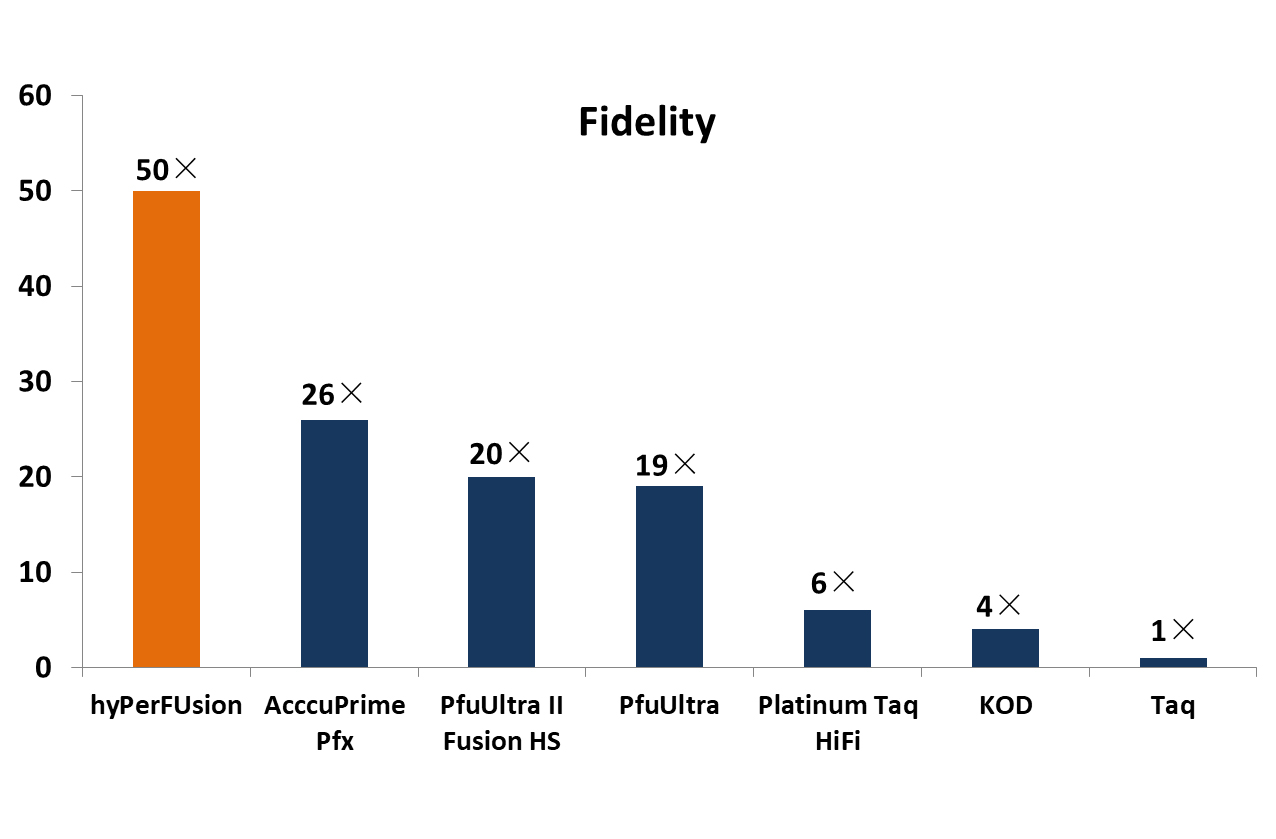
Initially, the cause of hypoglycemia was not apparent. There was no detectable lesion in the pancreas on plain computed tomography, and anti-insulin antibody was negative. Eight hours after hospital admission, his son discovered that the patient had accidentally taken glimepiride 3mg/day for 3 days.
-
br DGKs inhibition and signaling
2021-05-12
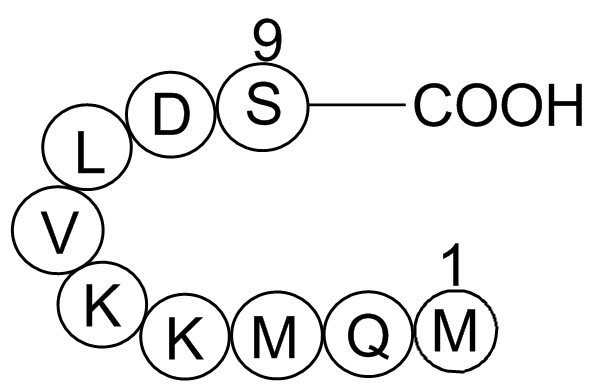
DGKs inhibition and signaling Local DAG levels are strictly controlled by a balance between synthesis and degradation rates. Both receptor controlled PLC-mediated production and DGK-mediated degradation are classically implicated in the control of “signaling” DAG. However, this dogma is starting
-
Multiple lines of evidence now indicate that
2021-05-12
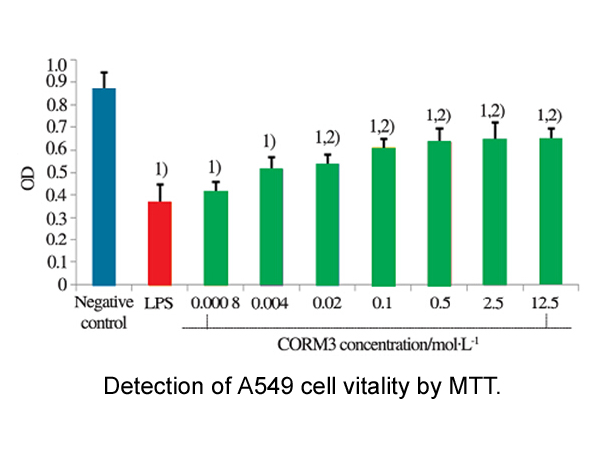
Multiple lines of evidence now indicate that mitochondrial decay is a fundamental factor that leads to alterations in energy metabolism in the aged heart (Hagen et al., 2002, Judge and Leeuwenburgh, 2007, Lesnefsky et al., 2001c). Nevertheless, the exact biochemical events that cause such an alterat
-
Further proof is required as to whether
2021-05-11
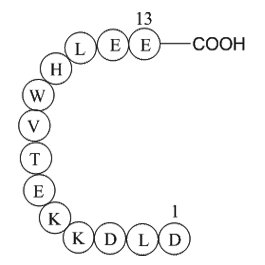
Further proof is required as to whether ER membrane receptors play a role in the maintenance of bone mass. It is also possible that other non-genomic pathways may be involved. Nevertheless, whatever the precise mechanism of action of estrogens may be, the imbalance between bone formation and resorpt
-
br Non cyclic nucleotide EPAC regulators Despite the
2021-05-11

Non-cyclic nucleotide EPAC regulators Despite the success of 007 as a tool molecule, few studies to date have led to the identification of further EPAC-selective agonists. The most studied and controversial group of small-molecule EPAC regulators are the sulfonylurea (SU) family. SUs (Table 1) su
-
The cytoplasmic domain of classical cadherins is
2021-05-11
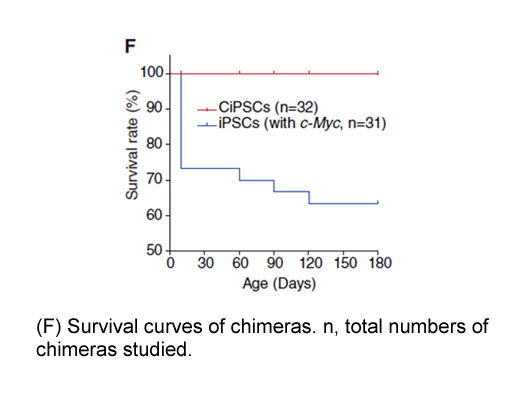
The cytoplasmic domain of classical cadherins is highly conserved and can interact with different cytosolic proteins. Typically this domain is associated with catenin family members, including p120 catenin, β-catenin, and α-catenin, which form a cadherin-catenin complex (Fig. 1). The catenin family
-
WES and validation by Sanger
2021-05-11
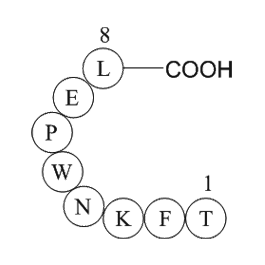
WES and validation by Sanger sequencing in PNGS-252 revealed an apparent homozygous c.4C>G missense alteration (GenBank: NM_014176.3), resulting in the amino channel modulator substitution p.Gln2Glu (Figure 1A). This mutation must be very rare, because this is not listed in the NHLBI Exome Sequencin
-
Total synthesis requires the two key intermediates and
2021-05-11
Total synthesis requires the two key intermediates 3 and 7, which were synthesized using the route described in below. Phenylethylamine 3 was readily synthesized from vanillin or isovanillin; the overall yield was 50–52%. To prepare the intermediates 7, bromination of 2-(4-hydroxyphenyl) acetate wi
-
Sequence alignment of cfALDH with the
2021-05-11
Sequence alignment of cfALDH with the human ALDH1 indicates that the cyanobacterial protein contains the same GQCC motif as the human ALDH1 and ALDH2 proteins [24] (Fig. 1d, highlighted in red, and Supplementary Fig. 2). This motif is present in ALDH1/2 orthologues and these residues reside at the b
15941 records 646/1063 page Previous Next First page 上5页 646647648649650 下5页 Last page